

Some evenings don’t just impress—they shake you. Julien Lestel’s Carmen at Théâtre Libre is one of those rare works that bypasses the intellect and heads straight for the spine. Bold, fractured, and fiercely alive, it’s a reawakening of a story too often romanticised—and here, defiantly reclaimed.
Forget everything you know about Bizet’s femme fatale. This is Carmen stripped of myth, rebuilt with muscle and meaning.
A Carmen for Right Now
From the first dim flicker of light to the final, guttural stillness, this Carmen pulses with contemporary urgency. Set in a world that feels urban yet unplaceable—somewhere between Seville and nowhere—it speaks not just of love, but of control, emancipation, and loss. The ballet’s heroine, as envisioned by Lestel, is no longer a tale from the past. She is the woman beside you on the métro, the voice in protest, the friend who did not make it out.
The narrative unspools like a tightrope—visceral, human, and stripped of sentimentality. Her defiance burns. His jealousy bruises. The conclusion feels inevitable, but no less devastating.
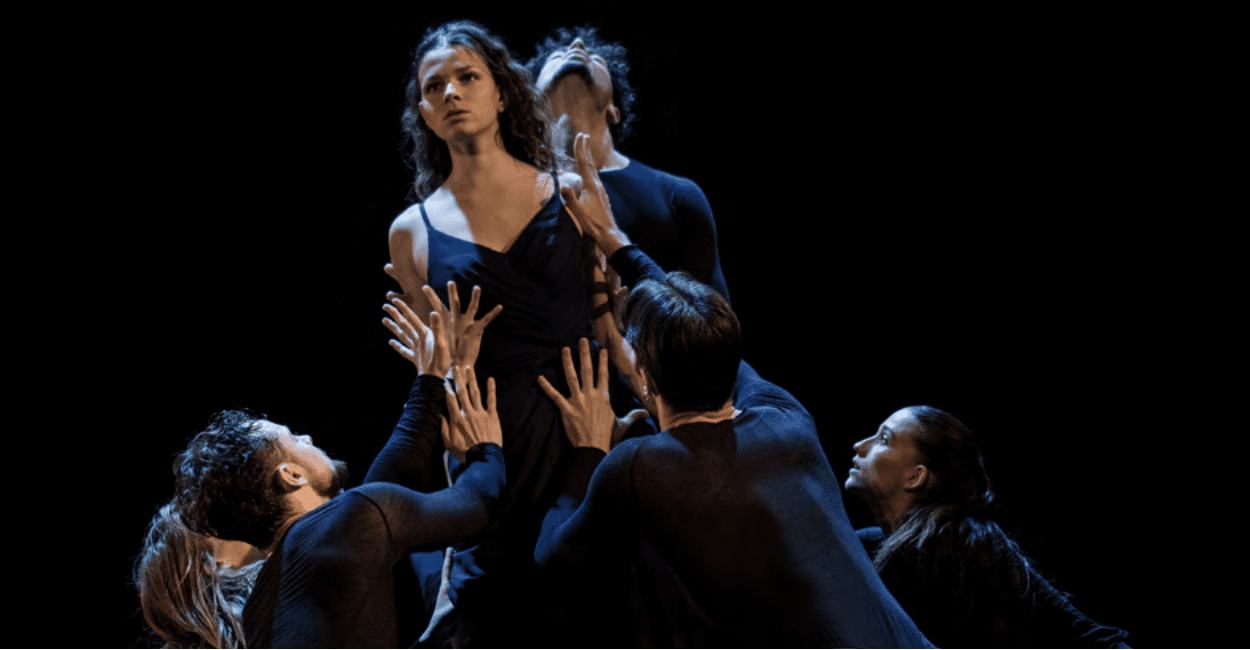
Lestel’s Language: Movement as Manifesto
The choreography is a revelation. Lestel doesn’t flirt with modernity—he commits. Gestures ripple into rupture, softness veers into fury, lines break and rebuild. It’s the kind of movement that feels as if it’s being written live, onstage, by instinct alone.
At times, it’s pure adrenaline: explosive, grounded, unflinching. At others, it’s heartbreak in slow motion. You don’t follow this ballet with your eyes—you absorb it in your chest.
A Soundtrack of Tension and Transition
The musical fusion—Georges Bizet’s familiar opera lines woven through Rodion Shchedrin’s pulsing reinterpretations and Iván Julliard’s electro-acoustic score—feels alchemical. The layering creates something uncanny and raw. Melody becomes memory. Rhythm becomes rage.
When Carmen’s signature motif is swallowed by static or re-emerges in a haze of distortion, it’s like watching history glitch in real time. The score doesn’t accompany the movement—it confronts it.
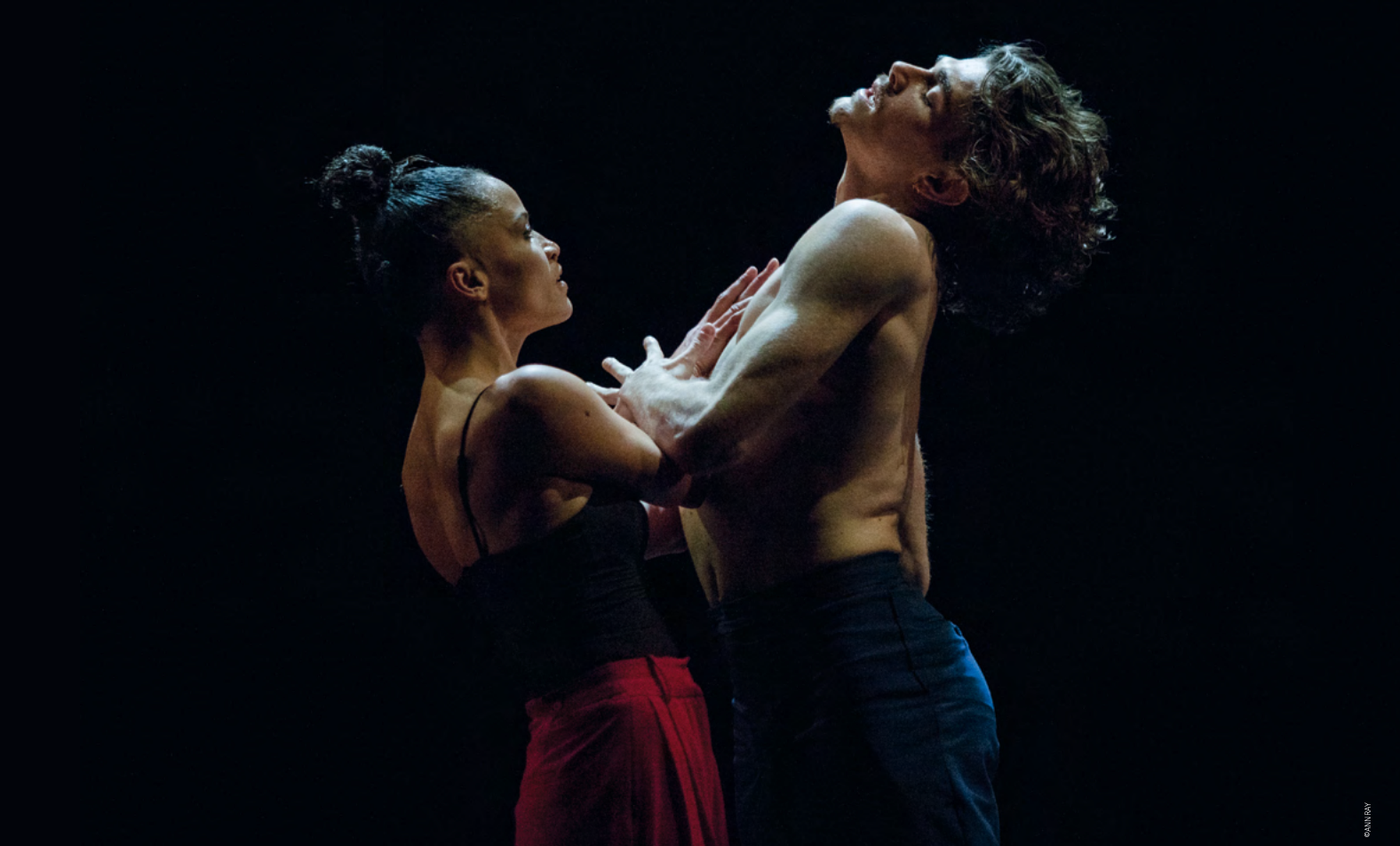
The Ensemble: Ten Dancers, One Roar
There is not a weak link among the ten members of the Ballet Julien Lestel. Every dancer is both body and voice—embodied, unleashed, unforgettable. What’s extraordinary is their cohesion: solos bleed into duets, group sections shift like murmuration.
They don’t perform Carmen. They live her.
Design That Doesn’t Flinch
The visual world crafted here is stark and intentional. Lo Ammy Vaimatapako’s lighting slices through space like a warning, isolating emotion in brilliant clarity. Costumes by BJL lean minimal and industrial, allowing flesh and form to speak freely.
In this Carmen, there’s no flourish for flourish’s sake. Everything has weight. Everything means.
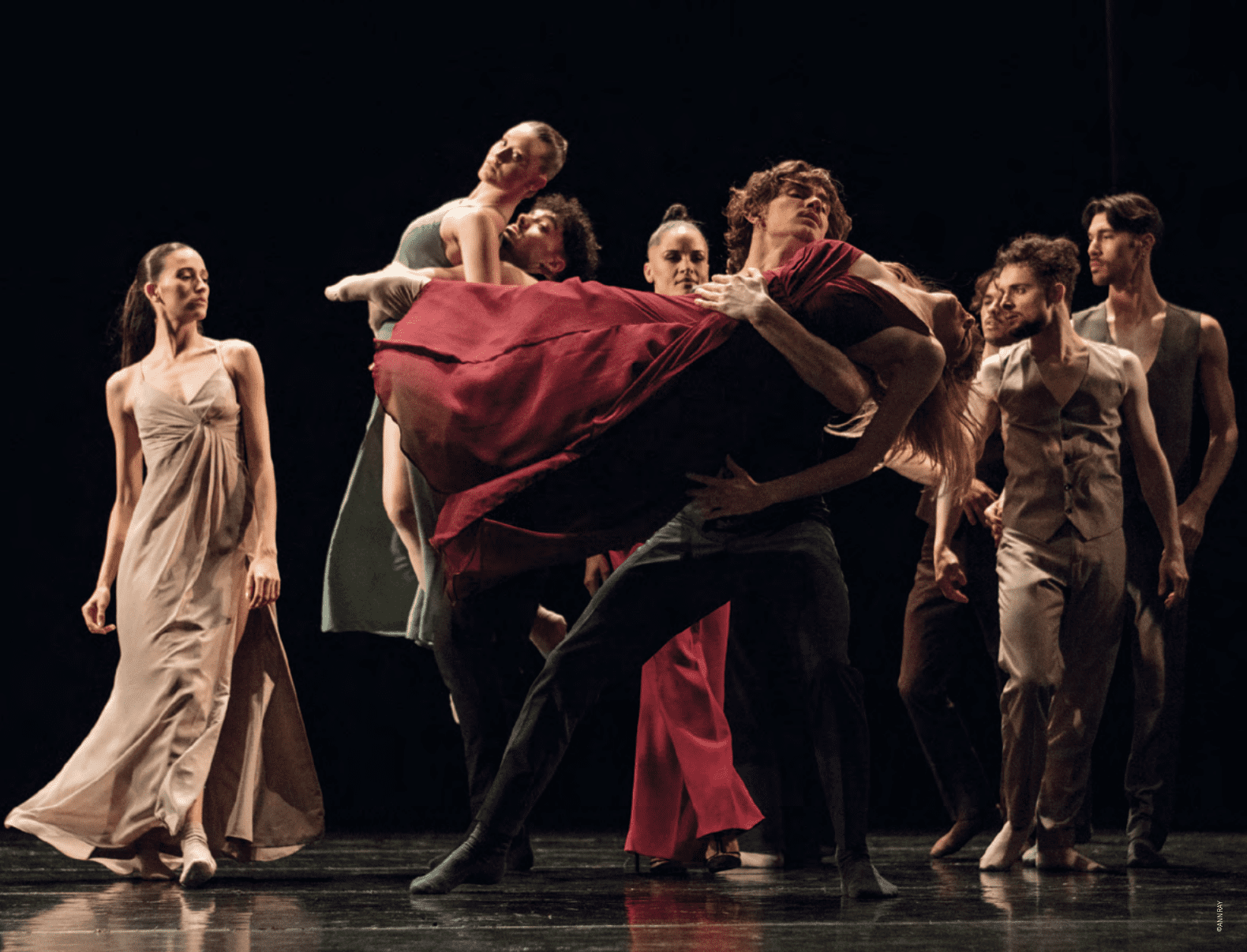
The Grand Stage, Intimately Felt
Théâtre Libre, with its storied past and deep, velvet hush, lends Carmen a frame both historic and hallowed. But this production doesn’t revere the past—it speaks back to it. There’s a strange magic in watching such a modern, politically charged ballet pulse through a space once known as the Eldorado.
It’s a collision of ghosts and grit.
Final Take from The Socialites:
This Carmen is not a reinterpretation—it’s an exorcism. A ballet for the world we live in now. Uncompromising. Beautiful. Necessary.
Future dates and other shows:
alexandracardinale.com